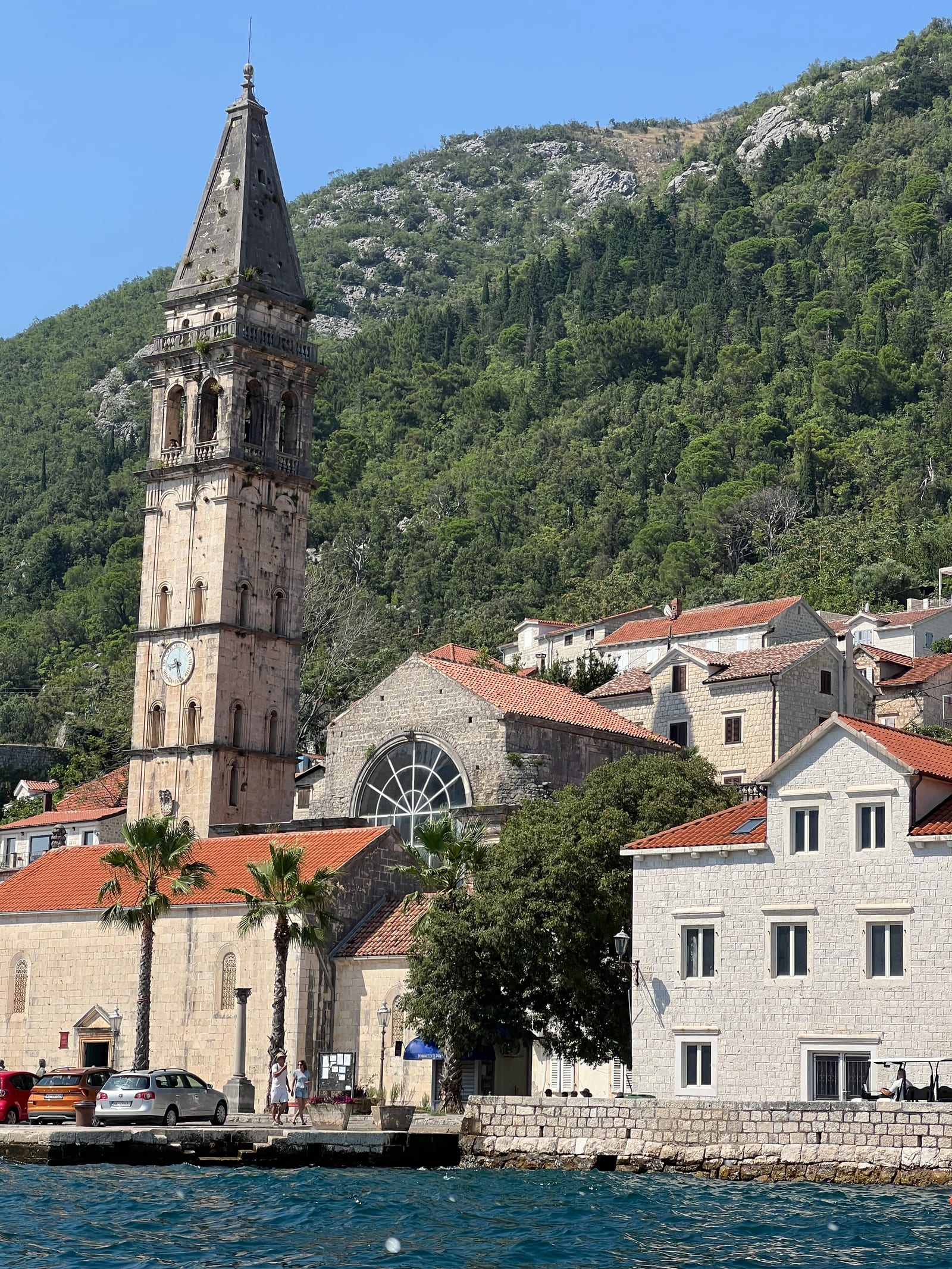
Kotor is one of the few places on the Adriatic where the walking experience is essentially the whole experience. The old town — a walled medieval city at the foot of a sheer limestone mountain — sits inside 4.5 kilometres of Venetian fortifications that have been in continuous use since the 9th century. You don't drive through Kotor. You walk it, or you miss it.
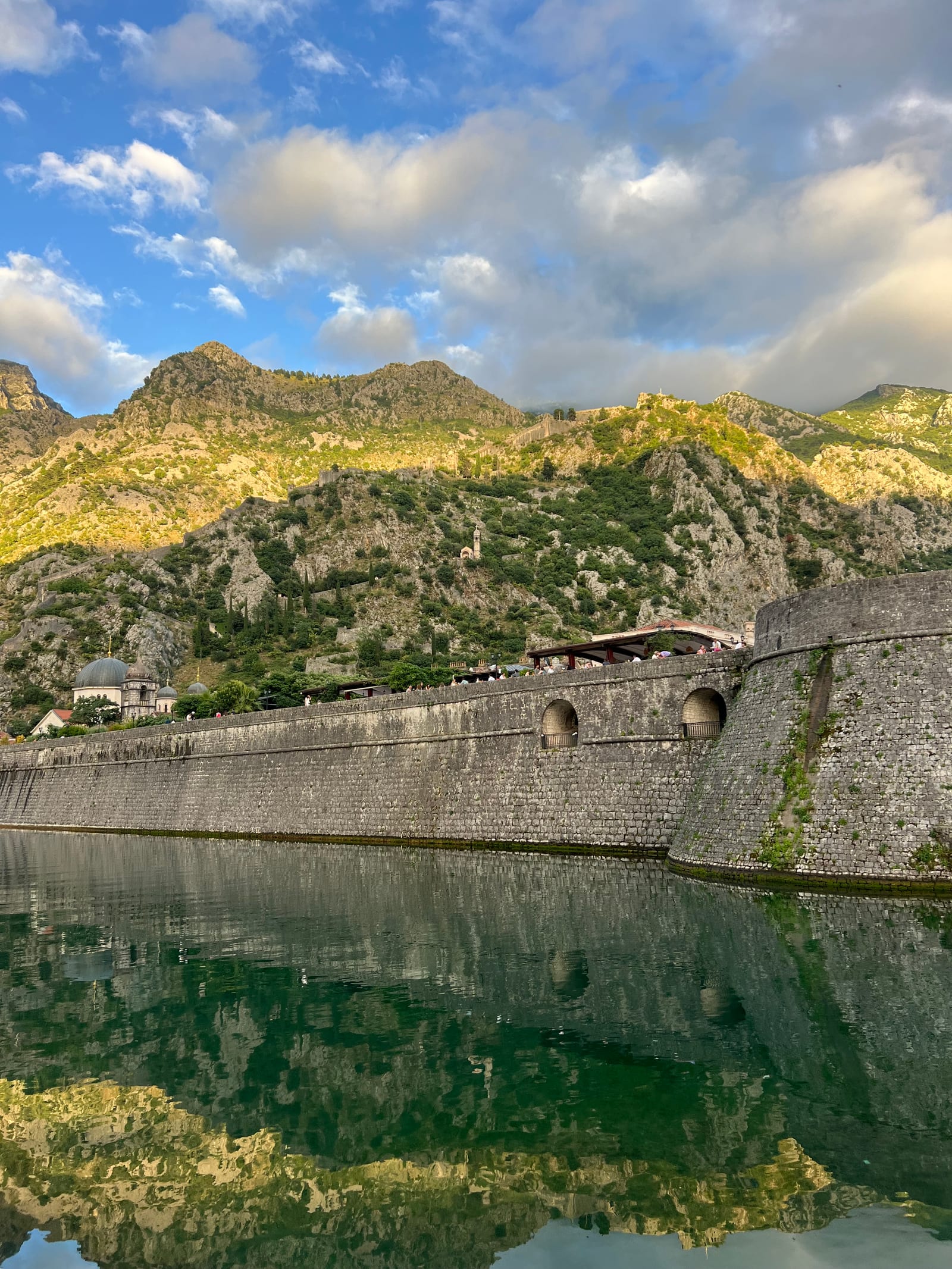
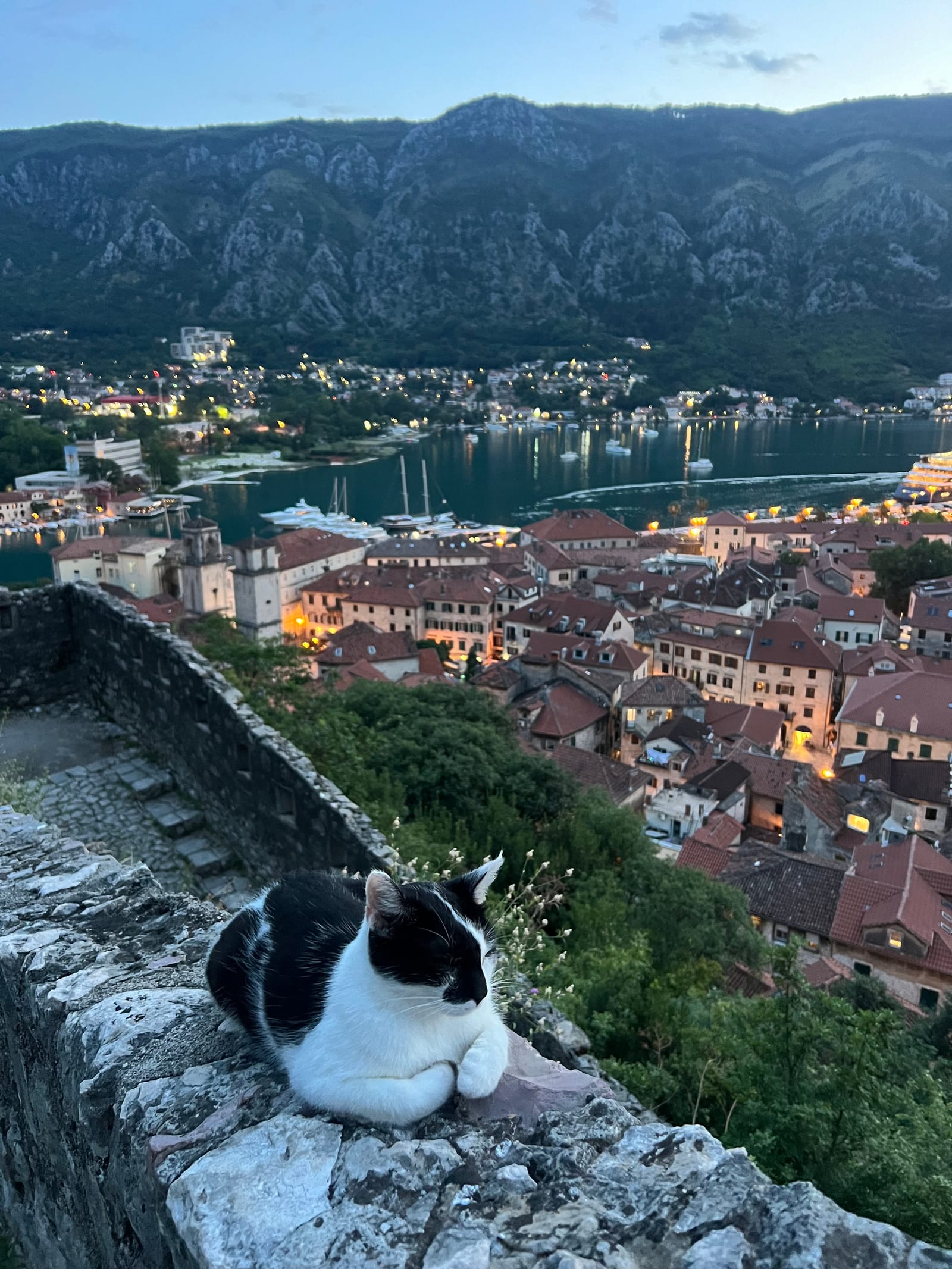
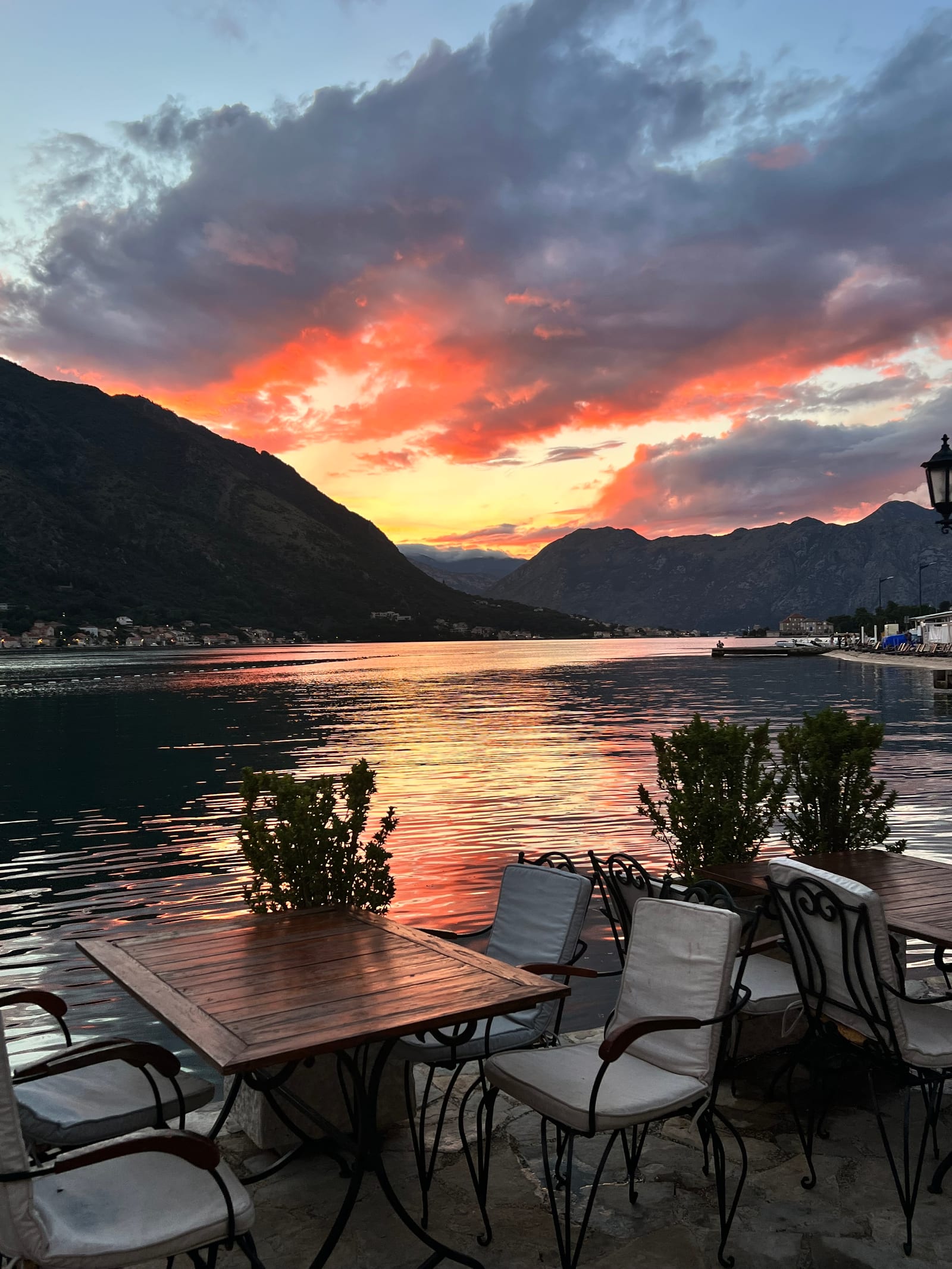
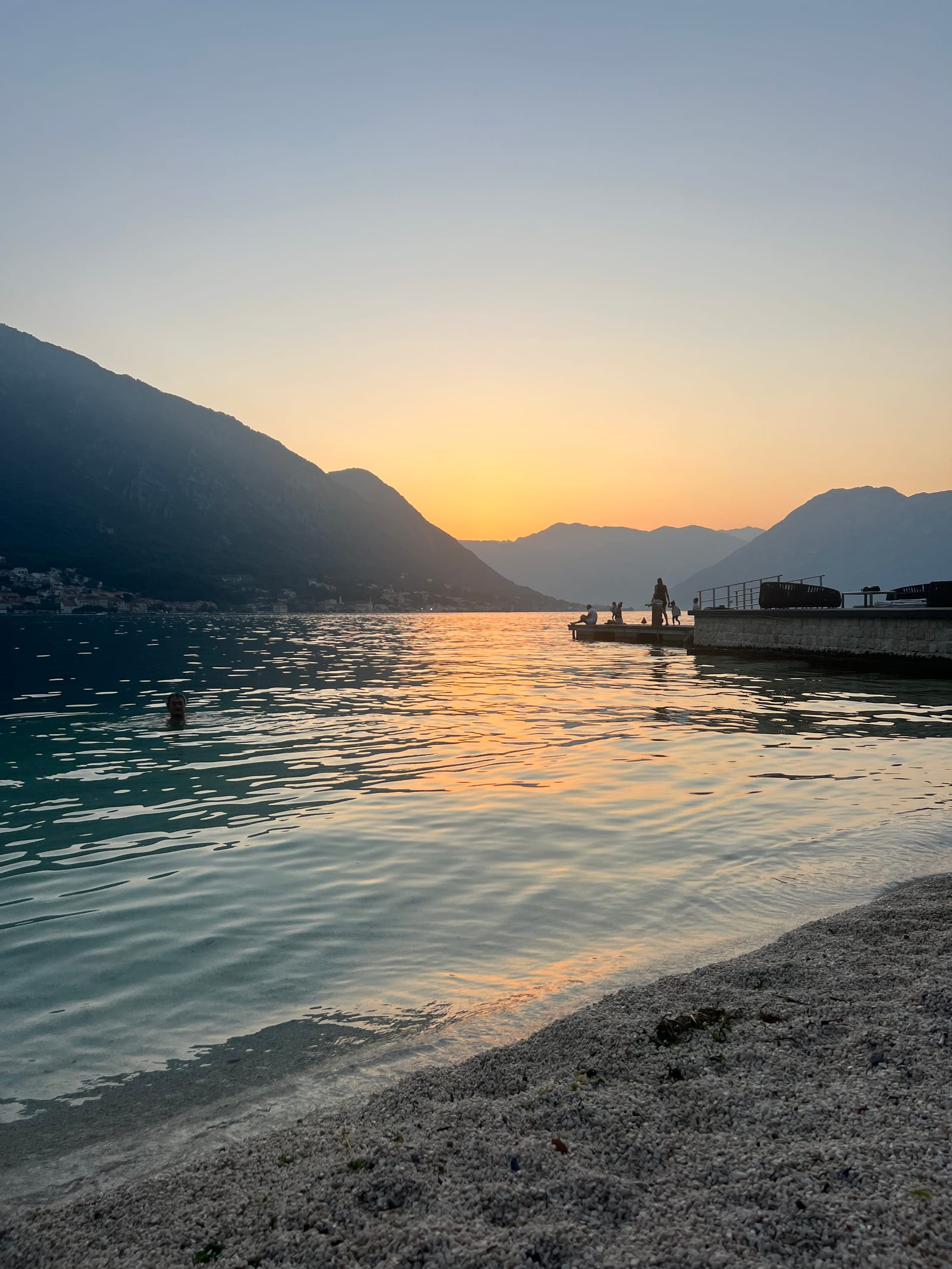
The character of the place is defined by three things that appear nowhere else in combination: the bay, the walls, and the mountain. The Bay of Kotor is a drowned river canyon masquerading as a fjord — 28 kilometres of navigable water curling inland from the Adriatic through a series of narrows, with the Orjen massif on one side and Lovćen on the other. Kotor sits where the innermost arm of the bay meets the base of the mountain, which rises almost vertically behind the old town to the St. John fortress at 260 metres. The walls climb the slope alongside it. The effect, seen from the water or from a boat crossing the bay, is theatrical: a compact white city pressed between deep blue water and a wall of grey stone.
Inside those walls, the old town is genuinely compact. The full fortification perimeter runs 4.5 kilometres, enclosing a warren of stone streets, squares, and churches that you can walk end to end in under fifteen minutes. What takes longer is actually looking at what's there: the Cathedral of St. Tryphon, consecrated in 1166 and still in active use; the Church of St. Luke, where Catholic and Orthodox altars stood side by side for more than a century and a half; the Baroque clock tower that leans noticeably since the 1979 earthquake; a sea gate set with Venetian lion reliefs and mid-20th-century political inscriptions pressed into the same stone.
When to come. The best seasons for walking are late spring (May–June) and early autumn (September–October): warm, mostly dry, and free of the July–August cruise peak when the Sea Gate plaza becomes a slow-moving queue and the Square of Arms smells of sunscreen. In peak summer the old town is still worth doing — go before 9am or after 5pm. Winter is unexpectedly good: the town empties, most cafés stay open, and the light on wet cobblestones in the low December sun is hard to beat.
Getting here. Tivat Airport sits roughly 8 kilometres south; a taxi runs under fifteen minutes. Bus services connect to Bar, Budva, Podgorica, and the rest of the coast, with the bus station a five-minute walk from the old town walls. If you arrive by cruise ship, the quay is directly opposite the Sea Gate — fifty metres from the main entrance to the old town. Local blue-line buses run along the coastal road to Muo and Prčanj for walkers who want to extend their day into the quieter villages across the water.
What makes Kotor's walking different. Other Adriatic walled cities — Dubrovnik, Split — have their own scale and logic. Kotor is smaller, steeper, and less polished. The fortress climb involves 1,350 stone steps and a genuine elevation change of around 260 metres; it is a physical undertaking, not a scenic stroll. The bay walk west to Muo and Prčanj rewards walkers with a view back across the water to the full amphitheatre of walls and mountain that you can't see from inside the old town itself. Even the short walk from the cruise quay to the Sea Gate, which takes under ten minutes, repays attention: the fortifications here show their full height from water level, and the gate arch compresses eight centuries of Venetian, French, and Yugoslav history into a single carved stone surface.
Four routes cover the main walking character of Kotor: the Old Town self-guided loop through the walled city, the St. John Fortress hike up through the walls to the summit, the bay coastal walk from Muo to Prčanj along the western shore, and the cruise port orientation walk for visitors with limited time. Each one works independently; together they give you the whole picture.
Get turn-by-turn directions, offline maps, and audio guidance — plus 50+ more curated routes across Europe.